Source construction machinery boom lift decal for Crane, AWP, and Scissor Lift
Find and compare 30 construction machinery boom lift decal options from verified Chinese suppliers. Evaluate specifications for Zoomlion, Sunward, and JLG applications, including model numbers like 4000212020 and 1706911, to identify suitable parts for aerial work platforms and building cranes.
Key considerations
Products List


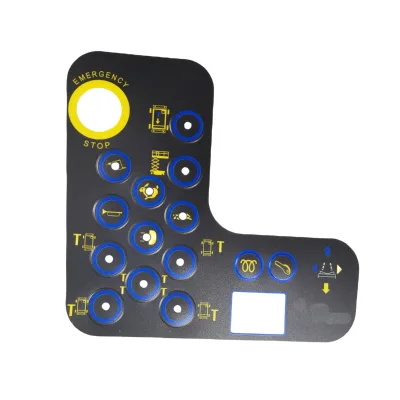
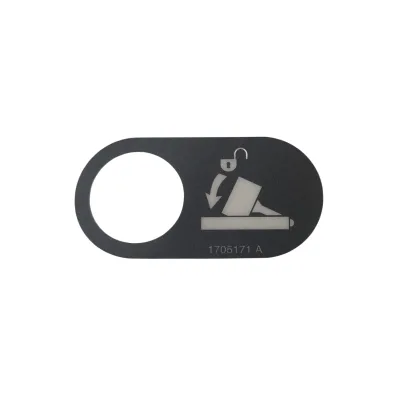
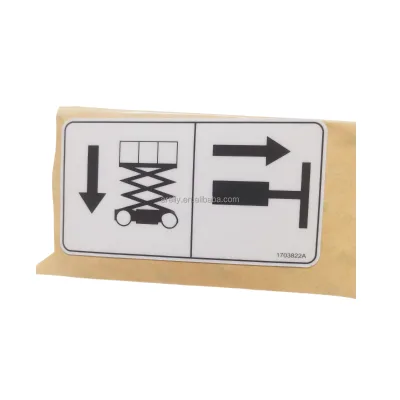


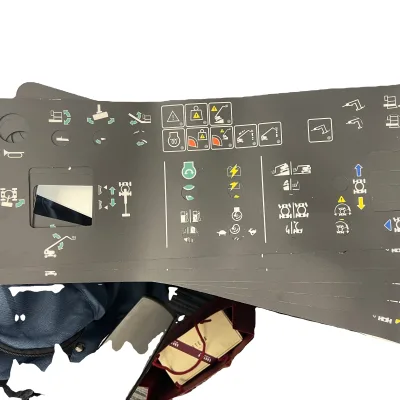


Comprehensive Sourcing Guide
Construction Machinery Boom Lift Decal Sourcing Guide
Procuring replacement decals for construction machinery, specifically boom lifts and scissor lifts, is a critical component of fleet maintenance and operational compliance. These visual identifiers are not merely aesthetic; they serve as essential safety markers, operational instructions, and brand identifiers that must remain legible under harsh industrial conditions. Buyers in the heavy equipment sector often face challenges in sourcing parts that match original equipment manufacturer (OEM) specifications while maintaining cost efficiency. This guide provides a structured approach to evaluating suppliers, verifying technical attributes, and ensuring that the decals sourced meet the rigorous demands of aerial work platforms.
The market for these components is fragmented, with suppliers offering a wide range of part numbers, materials, and compatibility options. Understanding the specific model of the lift, the brand of the machinery, and the exact nature of the decal—whether it is a warning label, a model designation, or a structural diagram—is paramount. This guide focuses on evidence-based sourcing strategies, leveraging observed market signals and standard industry practices to help procurement professionals make informed decisions. By adhering to the verification steps outlined below, buyers can mitigate the risk of receiving non-conforming products that fail to adhere to safety standards or fit the intended machinery.
Product Scope and Observed Listing Signals
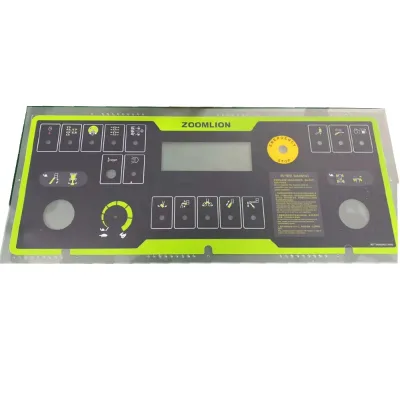
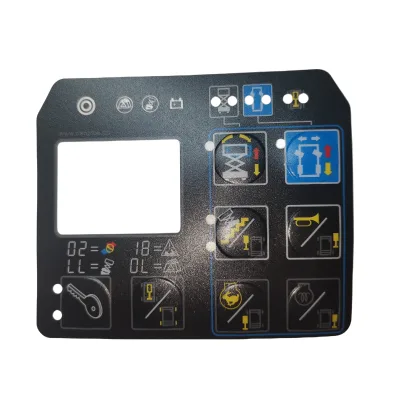
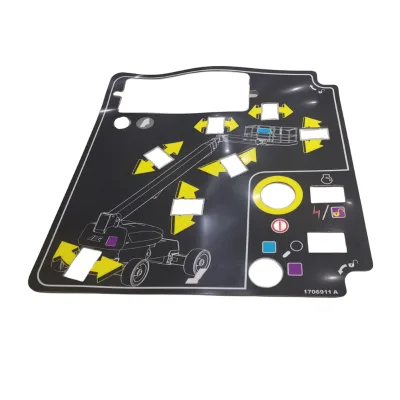
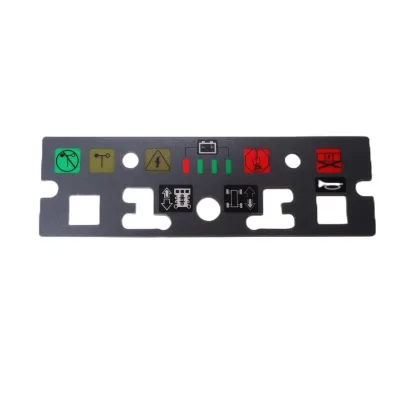
The current market landscape for boom lift decals reveals a diverse array of products targeting various machinery brands and models. Observed listings indicate a strong presence of parts compatible with major brands such as Zoomlion, Sunward, JLG, and others, with specific part numbers like 1706911, 1001091275, and 4000212020 frequently appearing in supplier catalogs. These part numbers serve as critical identifiers for buyers, allowing for precise matching with existing fleet inventory. The scope of products extends beyond simple brand logos to include complex instructional decals, warning labels, and structural diagrams, each requiring specific dimensions and material properties to ensure durability and readability.
Price points for these decals vary significantly, ranging from low-cost generic labels to higher-priced specialized components, reflecting differences in material quality, printing technology, and brand authenticity. Minimum Order Quantities (MOQs) are typically low, often starting at just one unit, which facilitates small-batch procurement for maintenance teams. However, buyers should be aware that while the entry barrier is low, the variability in product quality and compliance can be high. It is essential to scrutinize the specific attributes of each listing, such as the "Condition" being listed as 100% brand-new and the "Warranty" period, to ensure that the purchased decals meet the operational requirements of the machinery.
Technical Specifications to Verify
When evaluating technical specifications, buyers must prioritize the physical dimensions and material composition of the decals to ensure proper fit and longevity. Observed standard sizes for these components include dimensions such as 68 cm × 22 cm × 0.1 cm and 35 cm × 30 cm × 0.2 cm, indicating that decals vary significantly in size depending on their application on the boom or chassis. The single package size and gross weight, often listed around 10X22X10 cm and 0.100 kg respectively, provide insight into the packaging and handling requirements. Buyers should verify that the listed dimensions match the physical space available on the machinery and that the material thickness is sufficient to withstand environmental exposure without peeling or fading.
Compatibility with the specific lift mechanism and brand is another critical technical factor. Decals are often designed for specific lift types, such as articulated lifts or scissor lifts, and must be compatible with the brand, whether it is Sunward, JLG, or other manufacturers. The "Running Mode" of the machinery, typically stationary for these components, does not affect the decal's function but highlights the importance of static visibility. Buyers should confirm that the part number and model number provided by the supplier exactly match the OEM specifications for their equipment. Mismatches in model numbers, such as confusing 43036 with 214933, can lead to installation failures and potential safety hazards.
Compliance and Safety Documentation
Safety compliance is non-negotiable when sourcing decals for aerial work platforms, as these labels often convey critical warning and operational information. Buyers must ensure that the decals comply with relevant safety standards, such as ISO and CE certifications, which are frequently cited in supplier listings. These certifications indicate that the product meets specific quality and safety benchmarks, although buyers should verify the validity of these claims through independent documentation. The presence of "Explosion-Proof" features in some listings suggests that certain decals may be designed for hazardous environments, requiring additional verification to ensure they meet the specific safety protocols of the worksite.
Documentation provided by suppliers should include clear evidence of compliance, such as test reports or certification certificates, rather than relying solely on marketing claims. Buyers should request detailed information on the materials used, ensuring they are resistant to UV radiation, chemicals, and extreme temperatures commonly found in construction environments. The "Quality Level" of the decals, often described as "High Performance," should be substantiated by technical data sheets that outline the adhesive strength, ink durability, and substrate resistance. Without proper documentation, buyers risk procuring decals that may degrade quickly, leading to non-compliance with safety regulations and potential liability issues.
Cost Drivers and Commercial Terms
The cost of boom lift decals is influenced by several factors, including the complexity of the design, the quality of materials, and the level of customization required. Standard decals with simple graphics and text are generally more affordable, while custom-designed decals with complex layouts or specialized materials command higher prices. The "Customization" availability noted in some listings allows buyers to tailor decals to specific needs, but this often comes with additional costs and longer lead times. Buyers should carefully evaluate the trade-off between cost and quality, ensuring that cheaper options do not compromise the durability or legibility of the decals.
Commercial terms, such as delivery time and warranty, play a significant role in the total cost of ownership. Observed delivery times range from 2-7 days to 3-7 days, indicating that suppliers can offer relatively quick turnaround times for standard orders. However, buyers should confirm these lead times with the supplier, as delays can impact maintenance schedules and operational uptime. The "Warranty" period, typically listed as 1 Year, provides a safety net against defects, but buyers should understand the terms and conditions of this warranty, including what constitutes a defect and the process for claiming replacements. Clear communication regarding these terms can prevent disputes and ensure a smooth procurement process.
Supplier Qualification and Quality Control
Supplier qualification is a critical step in ensuring the reliability of the sourced decals. Buyers should assess suppliers based on their track record, customer reviews, and the quality of their product listings. The presence of "Video outgoing-inspection" services, whether listed as "Not Available" or "Provided," offers an additional layer of assurance, allowing buyers to visually verify the condition and quality of the decals before shipment. Suppliers that provide detailed product descriptions, accurate part numbers, and clear images are generally more reliable than those with vague or incomplete information.
Quality control measures implemented by the supplier are equally important. Buyers should inquire about the supplier's internal quality control processes, including how they handle defects and ensure consistency across batches. The "After-sales Service Provided," such as online support, can be valuable in resolving issues that arise after delivery. Suppliers that offer responsive customer service and are willing to address concerns promptly are more likely to provide a satisfactory procurement experience. Buyers should also consider the supplier's location, with many listings indicating origins in Hunan, China, which may impact shipping costs and lead times.
Long-Term Procurement Checks
Long-term procurement success depends on establishing a robust system for monitoring and evaluating the performance of sourced decals. Buyers should implement a tracking system to monitor the durability and legibility of decals over time, noting any instances of peeling, fading, or damage. This data can be used to evaluate the quality of different suppliers and make informed decisions about future purchases. Regular audits of the fleet's decals can help identify trends in wear and tear, allowing for proactive maintenance and replacement before safety issues arise.
Building strong relationships with reliable suppliers is essential for long-term procurement stability. Buyers should engage in regular communication with suppliers to discuss performance, provide feedback, and negotiate favorable terms. Consistent ordering patterns can lead to volume discounts and priority service, enhancing the overall value of the procurement process. By maintaining a focus on quality, compliance, and supplier reliability, buyers can ensure that their construction machinery fleet remains safe, compliant, and operational for the long term.
FAQs
What is the warranty period for these boom lift decals?
The warranty period is 1 Year for the listed products. This coverage applies to the specific decal items sourced from Hunan, China, ensuring reliability for construction machinery applications like Zoomlion and building cranes.
Can I request customization for these decals?
Yes, customization is available for these boom lift decals. Buyers can request specific modifications to meet their needs, with the product offered as a single item and standard packing provided for each unit.
Which brands are compatible with these decals?
These decals are compatible with brands such as Sunward, JLG, and other aerial work platforms. They are designed for use on boom lifts and scissor lifts, featuring part numbers like 1706911 and 1001091275.
What is the minimum order quantity for these items?
The minimum order quantity is 1 Unit for these boom lift decals. This low MOQ allows buyers to source single items or small batches, with delivery times ranging from 2 to 7 days depending on the supplier.
How are these decals packaged for shipping?
The decals are packaged in standard packing with a single package size of 10X22X10 cm or 10X10X10 cm. The gross weight is 0.100 kg per unit, ensuring safe transport for construction machinery parts.
What certifications do these products hold?
These products hold ISO and CE certifications. This ensures they meet international standards for quality and safety, making them suitable for stationary running modes and explosion-proof applications in the global market.
Where are these boom lift decals manufactured?
These decals are manufactured in Hunan, China. The place of origin is clearly documented, and the products are brand-new with online support provided for after-sales service to assist buyers.